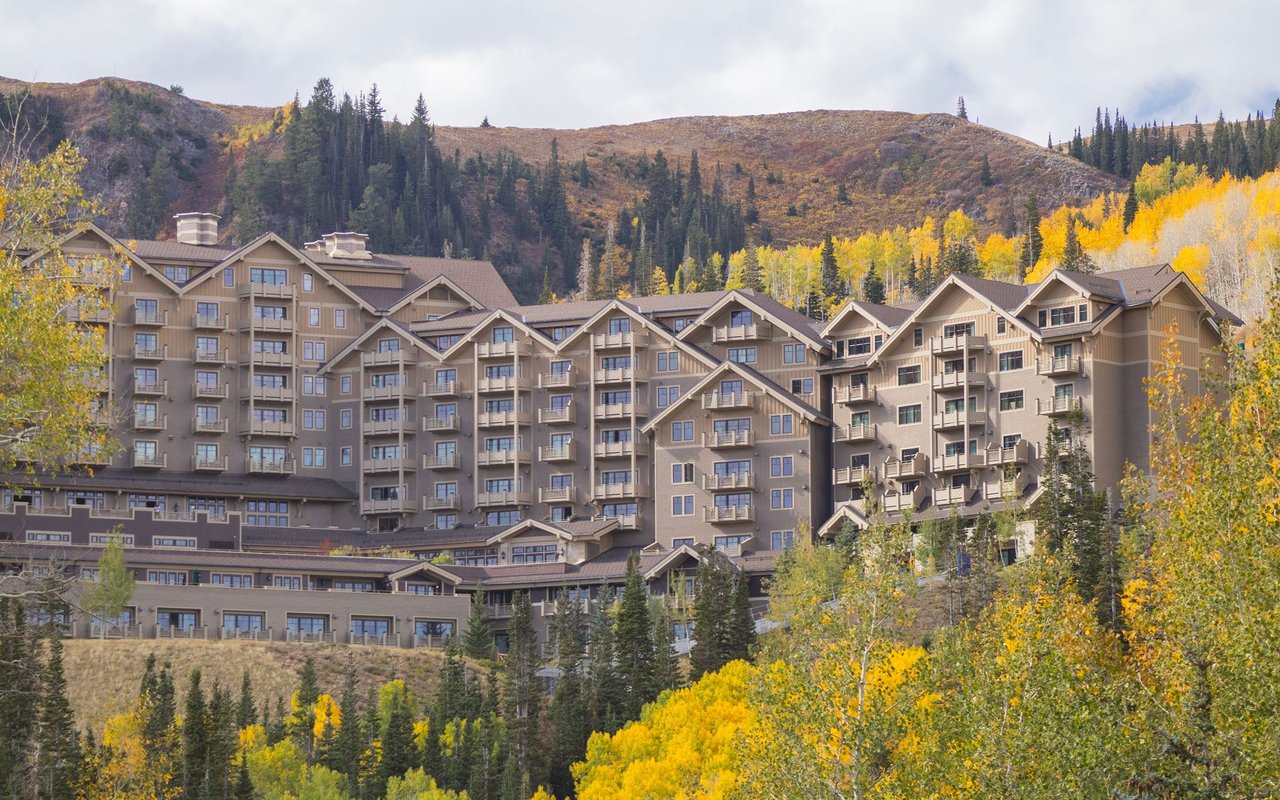
Deer Valley isn't a single neighborhood; it's three distinct real estate markets stacked vertically on the mountain, each with dramatically different pricing, ski access quality, and buyer profiles. After walking hundreds of buyers through Deer Valley properties from $800K condos at the base to $20M estates at Empire Pass, I watch the same confusion unfold: people assume "Deer Valley real estate" means one thing, then discover their budget and priorities align with completely different elevation tiers than they expected.
Understanding Deer Valley's Three-Tier Structure
Deer Valley Resort spans roughly 2,000 acres across three distinct elevation zones, each marketed as "Deer Valley" but functioning as separate neighborhoods with minimal price overlap.
Geographic and Elevation Distinctions
Lower Deer Valley occupies the base area and lower slopes, roughly 6,900-7,400 feet elevation, anchored by Snow Park Lodge and Silver Lake Village. Properties here sit within walking or shuttle distance of lifts but don't offer true ski-in/ski-out access from your door.
Upper Deer Valley encompasses mid-mountain and upper slope properties, 7,600-8,400 feet elevation, including developments around St. Regis, Montage, and Stein Eriksen Lodge. This zone delivers genuine ski-in/ski-out access where you walk out your door and ski to chairlifts.
Empire Pass represents Deer Valley's highest elevation real estate, 8,200-9,000+ feet, occupying the mountain's northeastern face with dedicated lifts, private ski beach, and the most exclusive Deer Valley addresses. Empire Pass functions as a private club within Deer Valley Resort, with additional transfer fees and higher service standards.
The elevation distinctions create meaningful differences beyond just altitude numbers. Lower Deer Valley averages 350-420 inches annual snowfall, Upper Deer Valley receives 400-475 inches, and Empire Pass captures 450-525 inches; the highest elevation properties enjoy 20-30% more snow than base area locations, extending the ski season by 2-4 weeks on both ends.
Lower Deer Valley: $800K-$2.5M Base Area Access
Lower Deer Valley provides the most affordable entry point to Deer Valley Resort living, trading true ski-in/ski-out convenience for proximity and significantly lower pricing.
Lower Deer Valley Property Types and Pricing
Condos dominate Lower Deer Valley inventory, representing 80%+ of available properties:
- $800K-$1.2M: 600-900 square feet, 1-2 bedrooms, older construction (1980s-1990s), standard finishes.
- $1.2M-$1.8M: 900-1,400 square feet, 2-3 bedrooms, updated interiors, better locations within developments.
- $1.8M-$2.5M: 1,400-2,000 square feet, 3-4 bedrooms, newer construction or luxury renovations, premium locations.
Townhomes offer more space but limited inventory:
- $1.5M-$2.5M: 1,800-2,500 square feet, 3-4 bedrooms, 2-3 levels, small private outdoor space.
- $2.5M-$3.5M: 2,500-3,200 square feet, 4-5 bedrooms, updated finishes, attached garages.
Single-family homes rarely come available in true Lower Deer Valley:
- $3M-$6M: 3,000-5,000 square feet on 0.15-0.30 acre lots.
- Limited Inventory: Fewer than 50 homes total in Lower Deer Valley proper.
- Older Construction: Often built in the 1970s-1990s and requiring updates.
Ski Access Reality in Lower Deer Valley
Shuttle-dependent ski access defines most Lower Deer Valley properties. You're living near Deer Valley rather than skiing directly from your door. Typical access patterns:
- Walk to Shuttle Stops: 2-8 minutes from most properties.
- Shuttle Ride to Lifts: 5-12 minutes depending on traffic and stops.
- Shuttle Frequency: Shuttles run every 10-20 minutes during ski season (7 AM-5 PM).
- Wait Times: 2-15 minutes depending on timing and demand.
Properties within Silver Lake Village sit closer to ski access; you can walk to Silver Lake Express lift in 8-15 minutes from some locations; but this isn't the "ski-in/ski-out" experience Upper Deer Valley delivers. You're walking in ski boots carrying equipment, dealing with crowds, and navigating pedestrian traffic.
End-of-day return requires either skiing to Silver Lake area and walking/shuttling home, or taking end-of-day shuttles from various mountain locations. The convenience factor drops significantly compared to Upper Deer Valley properties where you ski to your door and step inside.
HOA Fees in Lower Deer Valley
Lower Deer Valley condos and townhomes carry HOA fees ranging $800-$1,500/month ($9,600-$18,000 annually), covering:
- Exterior Maintenance: Siding, roof, common area repairs.
- Snow Removal: Parking lots, driveways, walkways.
- Landscaping: Seasonal care, irrigation, tree maintenance.
- Shuttle Service: Transportation to lifts during ski season.
- Amenities: Pools, hot tubs, fitness centers (where applicable).
- Reserve Funding: Capital improvements and major repairs.
The HOA fees represent 0.7-1.1% of property value annually for most Lower Deer Valley properties; lower percentage than Upper Deer Valley (1.2-1.8%) but still meaningful carrying costs. On a $1.5M condo, the $12K annual HOA essentially adds another mortgage payment.
Lower Deer Valley Buyer Profile
Second home buyers dominate Lower Deer Valley purchases, typically:
- Budget-Conscious Deer Valley Access: Want to say "I own in Deer Valley" at $800K-$1.5M instead of $3M-$8M for Upper Deer Valley.
- Weekend Skiers: Visit 8-15 times per season, willing to take shuttles rather than paying $1M-$2M premiums for ski-in/ski-out.
- Rental Income Priority: Properties in this range rent more consistently than ultra-luxury because renter pool is broader.
- Empty Nesters: 1-2 bedroom condos work for couples without children at home.
Investment buyers target Lower Deer Valley for:
- Strong Rental Demand: $250-$450/night during ski season, 70-90% occupancy potential.
- Lower Acquisition Costs: $800K-$1.5M creates better cash-on-cash returns than $4M-$8M Upper Deer Valley.
- Management Company Infrastructure: Numerous property management firms handle Lower Deer Valley rentals at 25-30% fees.
Lower Deer Valley Value Proposition
Lower Deer Valley makes sense if:
- You want Deer Valley Resort access at $800K-$2M instead of $3M-$8M.
- Shuttle transportation to lifts doesn't bother you (adds 15-25 minutes to skiing routine).
- You prioritize rental income potential over personal convenience.
- You're comfortable with condo/townhome living and HOA fees.
Lower Deer Valley creates challenges if:
- You expect true ski-in/ski-out where you exit your door and ski.
- You want single-family home privacy and outdoor space.
- HOA fees ($800-$1,500/month) strain your budget.
- You'll visit frequently (20+ days per season) making shuttle inconvenience multiply.
Upper Deer Valley: $3M-$12M True Ski-In/Ski-Out
Upper Deer Valley represents the Deer Valley experience most people envision when they think about luxury ski real estate; genuine ski-in/ski-out access where you step out your door onto maintained runs leading directly to chairlifts.
Upper Deer Valley Property Types and Pricing
Luxury condos in Upper Deer Valley command massive premiums over Lower Deer Valley equivalents:
- $2.5M-$4M: 1,400-2,000 square feet, 2-3 bedrooms, older construction but ski-in/ski-out locations.
- $4M-$7M: 2,000-3,000 square feet, 3-4 bedrooms, updated finishes, St. Regis or Montage proximity.
- $7M-$12M: 3,000-4,500+ square feet, 4-5 bedrooms, ultra-luxury finishes, flagship buildings.
Townhomes and duplexes offer compromise between condos and single-family:
- $4M-$7M: 2,500-3,500 square feet, 3-4 bedrooms, ski-in/ski-out, limited outdoor space.
- $7M-$10M: 3,500-4,500 square feet, 4-5 bedrooms, premium locations, better outdoor amenities.
Single-family homes dominate Upper Deer Valley's top tier:
- $6M-$10M: 4,000-5,500 square feet, 4-5 bedrooms, 0.20-0.40 acre lots, ski-in/ski-out.
- $10M-$20M: 5,500-8,000+ square feet, 5-6+ bedrooms, 0.40-0.80 acre lots, custom construction, premium finishes throughout.
- Construction Era: Most homes built 2000-2020, with newer construction commanding premiums for modern systems and design.
The True Ski-In/Ski-Out Experience
Morning ski access from Upper Deer Valley properties works like this:
- Put on ski boots inside your home (no walking in boots outdoors).
- Step out your door onto maintained runs (properties maintain private snow removal).
- Ski 1-3 minutes to nearest chairlift on groomed access trails.
- No crowds, no shuttle waits, immediate lift access.
End-of-day return delivers equal convenience:
- Ski to your street using marked access routes.
- Ski to your driveway or property entrance (some homes have ski valets).
- Step out of bindings at your door, walk inside.
- No shuttles, no parking lots, direct door-to-mountain access.
The convenience compounds over a season. If you ski 30 days annually and Upper Deer Valley saves 30 minutes daily versus Lower Deer Valley shuttle logistics, you've saved 15 hours (nearly two full days) of transportation hassle over one winter.
HOA Fees in Upper Deer Valley
Upper Deer Valley HOA fees run significantly higher than Lower Deer Valley, reflecting increased service levels and luxury amenities:
Condo HOA Fees: $2,000-$4,500/month ($24,000-$54,000 annually), covering:
- Private Slope Maintenance: Grooming and maintaining private access runs to your property.
- Concierge Services: Package handling, maintenance coordination, guest services.
- Luxury Amenities: Heated pools, hot tubs, fitness centers, spa facilities, ski lounges.
- Snow Removal: All driveways, walkways, parking areas, roofs (preventing ice dam damage).
- Exterior Maintenance: Premium building upkeep maintaining luxury standards.
- Reserve Funding: Well-funded reserves for capital improvements.
Single-Family Home HOA Fees: $1,500-$3,500/month ($18,000-$42,000 annually), covering:
- Private Road Maintenance: Plowing, repairs, summer repaving.
- Slope Access Maintenance: Grooming private ski trails.
- Common Area Landscaping: Maintaining community standards.
- Security Services: Gate attendants and patrol services in some developments.
- Utilities: Street lighting, common area water/sewer.
These fees represent 0.8-1.2% of property value annually for Upper Deer Valley single-family homes, and 1.2-1.8% for condos. On a $5M property, budget $40K-$90K annually just for HOA fees before property taxes, insurance, utilities, or maintenance.
Upper Deer Valley Buyer Profile
High-net-worth second home buyers dominate Upper Deer Valley:
- Serious Skiers: Families who ski 20-40+ days per season, valuing the time savings and convenience of true ski-in/ski-out.
- Established Wealth: Buyers for whom $5M-$10M represents 10-20% of net worth, not stretching budgets.
- Multiple Properties: Upper Deer Valley functions as ski home in portfolio including beach property, primary residence, maybe European pied-à-terre.
- Quality of Life Priority: Willing to pay $2M-$5M premiums over Lower Deer Valley for daily convenience during extended visits.
Celebrity and executive buyers seeking privacy:
- Gated Communities: Upper Deer Valley offers security and separation.
- Low-Profile Luxury: Deer Valley's understated elegance versus Aspen's scene-heavy environment.
- Proximity to Park City Services: 10-15 minute drive to private aviation (Heber Airport), medical care, shopping.
Rental income interest varies significantly:
- Aggressive Rental: Some buyers rent during non-use periods ($800-$1,500/night ski season).
- Family Use Only: Others prefer family use only, keeping property vacant when not visiting.
- Rental Management: More complex than Lower Deer Valley (higher-end clientele, more demanding service expectations).
Upper Deer Valley Value Proposition
Upper Deer Valley makes sense if:
- You ski frequently (20+ days per season) making ski-in/ski-out convenience meaningful.
- $3M-$12M price range represents comfortable spending given net worth.
- HOA fees of $2K-$4K/month don't create budget strain.
- You value time savings and daily convenience over maximizing square footage per dollar.
- You want legitimate luxury ski resort experience, not just proximity.
Upper Deer Valley creates challenges if:
- $24K-$54K annual HOA fees consume too much cash flow.
- You visit infrequently (10 or fewer days per season) making convenience premium hard to justify.
- You need to rent aggressively to support carrying costs (luxury rentals are less predictable).
- You want single-family home with significant land (0.20-0.40 acres typical, not 0.50-1.0 acres).
Empire Pass: $4M-$20M+ Most Exclusive Deer Valley
Empire Pass occupies Deer Valley's northeastern face, functioning as an ultra-exclusive enclave within the resort with additional barriers to entry beyond purchase price alone.
Empire Pass Geographic and Social Position
Physical Location: Empire Pass sits at 8,200-9,000+ feet elevation, representing Deer Valley's highest and most snow-sure real estate. Properties access the mountain via Northside Express and Empire Express lifts, with a private ski beach and dedicated on-mountain lodge.
Social Positioning: Empire Pass functions as a private club within Deer Valley Resort. The exclusivity stems from:
- 1% Transfer Fee: All Empire Pass properties carry 1% of purchase price transfer fees on resale (buy a $6M home, pay $60K transfer fee).
- Limited Inventory: Fewer than 300 residences total across all of Empire Pass.
- Higher Service Standards: Deer Valley's best grooming, fastest lift upgrades, most attentive ski services.
- Social Cohesion: Smaller community creates tighter social networks among owners.
Empire Pass Property Types and Pricing
Luxury condos start where Upper Deer Valley tops out:
- $4M-$7M: 2,200-3,000 square feet, 3-4 bedrooms, ski-in/ski-out, older construction (1990s-early 2000s).
- $7M-$12M: 3,000-4,000 square feet, 4-5 bedrooms, updated finishes, premium locations within Empire Pass.
- $12M-$18M: 4,000+ square feet, 5+ bedrooms, penthouse units, ultra-luxury finishes.
Single-family homes dominate Empire Pass's highest tier:
- $8M-$15M: 5,000-7,000 square feet, 5-6 bedrooms, 0.30-0.60 acre lots, ski-in/ski-out.
- $15M-$25M+: 7,000-12,000+ square feet, 6-8+ bedrooms, 0.60-1.2 acre lots, custom architecture, staff quarters, private amenities (wine cellars, theaters, spas).
Vacant land occasionally becomes available:
- $2M-$5M: For 0.40-0.80 acre ski-in/ski-out buildable lots.
- Architectural Review: Requires Deer Valley and Empire Pass architectural review approval.
- Construction Costs: Custom home construction costs $800-$1,500/square foot for Empire Pass standards.
- Total Project Costs: Land + construction typically totals $10M-$20M+ for finished homes.
The 1% Transfer Fee Reality
Every Empire Pass property sale triggers a 1% transfer fee paid by the buyer, separate from standard closing costs:
- $5M Property: $50K transfer fee.
- $10M Property: $100K transfer fee.
- $15M Property: $150K transfer fee.
This fee goes to the Master HOA (MHOA) maintaining Empire Pass infrastructure and services. It's non-negotiable and non-waivable; you cannot buy Empire Pass property without paying it.
The 1% fee creates market friction. Some buyers balk at paying $100K-$150K in fees beyond purchase price, particularly when combined with already-high HOA fees. Others view it as maintaining Empire Pass exclusivity; the fee keeps out buyers unwilling to pay premium prices for premium services.
HOA Structure: MHOA Plus Individual Development Fees
Empire Pass operates a two-tier HOA system:
Master HOA (MHOA) Fees: $1,000-$2,000/month ($12,000-$24,000 annually), covering:
- Private Lift Operations: Empire Pass lifts maintenance and operation.
- Private Ski Beach: Heated deck area, food and beverage service.
- Road Maintenance: Year-round access, winter plowing, summer repairs.
- Common Area Maintenance: Landscaping, utilities, facilities.
- Security: Gate operations (where applicable), patrol services.
Individual Development HOAs: $1,500-$3,500/month ($18,000-$42,000 annually), covering:
- Building-Specific Services: Concierge, maintenance, amenities.
- Exterior Maintenance: Building envelope, roofs, common areas.
- Snow Removal: Individual property access, driveways.
- Amenities: Pools, hot tubs, fitness centers, ski lockers.
Total HOA Costs in Empire Pass: $2,500-$5,500/month ($30,000-$66,000 annually) combining MHOA and individual development fees. On a $10M property, you're paying $30K-$66K annually in HOA fees alone; 0.3-0.7% of property value just for community services, before property taxes, insurance, utilities, or maintenance.
Empire Pass Buyer Profile
Ultra-high-net-worth individuals for whom $10M-$20M represents small percentage of net worth:
- Forbes List Types: Successful entrepreneurs, corporate executives, private equity principals, entertainment industry.
- Discretion Priority: Empire Pass offers privacy and low-profile luxury.
- Skiing Passion: Serious skiers who appreciate Empire Pass's superior snow quality (450-525 inches annually).
- Service Expectations: Accustomed to luxury standards and willing to pay $40K-$66K annually in HOA fees for white-glove service.
Family compounds housing extended families or multiple generations:
- Large Homes: 6,000-12,000 square foot homes accommodate 15-25 people comfortably.
- Staff Quarters: Space for personal chefs, nannies, household managers.
- Private Amenities: Home theaters, wine cellars, massage rooms, private ski rooms.
Minimal Rental Activity: Most Empire Pass owners keep properties for personal use rather than renting. The properties are too expensive to rent profitably (would need $3K-$5K/night to justify carrying costs), and owners value privacy over rental income.
Empire Pass Value Proposition
Empire Pass makes sense if:
- $10M-$20M represents comfortable spending given net worth ($100M+ typically).
- You ski extensively (30-50+ days per season) making superior snow and service meaningful.
- $40K-$66K annual HOA fees don't create budget concerns.
- You value exclusivity and privacy above cost efficiency.
- You can justify the 1% transfer fee as maintaining community standards.
- You want Deer Valley's best snow, highest elevation, most exclusive address.
Empire Pass creates challenges if:
- $4M-$20M stretches your budget or represents large percentage of net worth.
- HOA fees of $30K-$66K annually create cash flow pressure.
- The 1% transfer fee ($40K-$200K) seems excessive.
- You need rental income to support carrying costs (luxury rental market is limited).
- You visit infrequently (fewer than 20 days per season) making the premium unjustifiable.
Comparing Rental Income Across Deer Valley Tiers
Understanding rental income potential across Lower, Upper, and Empire Pass Deer Valley helps buyers evaluate whether properties can generate meaningful income or whether personal use should drive decisions.
Lower Deer Valley Rental Income
Strongest rental demand across all Deer Valley tiers:
- Peak Ski Season: $250-$450/night for 1-3 bedroom condos.
- Occupancy Rates: 70-90% during December-March with aggressive marketing.
- Holiday Weeks: $2,500-$4,500 for Christmas/New Year week, $2,000-$3,500 for Presidents Day week.
- Shoulder Season: $150-$300/night (limited demand November, April).
- Summer: $125-$250/night (50-70% occupancy).
Annual gross rental income (aggressive rental approach):
- $1M Condo: $35K-$55K gross annually.
- $1.5M Condo: $45K-$70K gross annually.
- After Management Fees: (25-30%) $25K-$50K net before expenses.
- After All Costs: HOA, utilities, maintenance, furnishings; $10K-$30K true net.
The $10K-$30K annual net income represents 1.0-2.0% of property value; not compelling returns, but helps offset $15K-$25K annual carrying costs (HOA + property tax + insurance).
Upper Deer Valley Rental Income
More challenging rental market due to higher price points:
- Peak Ski Season: $800-$1,500/night for 3-4 bedroom luxury condos/homes.
- Occupancy Rates: 50-70% during ski season (fewer renters at these prices).
- Holiday Weeks: $8K-$18K for Christmas/New Year, $6K-$12K for Presidents Day.
- Shoulder/Summer: Minimal demand except peak summer months.
Annual gross rental income:
- $5M Property: $80K-$140K gross annually with aggressive rental.
- After Management Fees: (25-35%) $55K-$95K net before expenses.
- After All Costs: HOA $24K-$54K, plus taxes, insurance, maintenance; $15K-$45K true net.
The $15K-$45K annual net represents 0.3-0.9% of property value; barely covering carrying costs in many cases. Upper Deer Valley works poorly as pure investment; it's lifestyle purchase that can offset some costs through selective renting.
Empire Pass Rental Income
Virtually no rental activity in Empire Pass:
- Rental Profitability: Properties too expensive to rent profitably (would need $3K-$8K/night).
- Owner Priorities: Owners prioritize privacy and personal use over rental income.
- Management Complexity: Service standards and exclusivity make management difficult.
- Personal Use: Most owners keep properties vacant when not using them.
A few Empire Pass owners rent to trusted personal networks (friends, business associates) at below-market rates as favor, but systematic rental operations don't exist at this tier.
Making Your Deer Valley Decision: Which Tier Fits?
Choosing between Lower, Upper, and Empire Pass Deer Valley depends on budget, priorities, and skiing frequency; with meaningful trade-offs at each level.
Decision Framework by Budget
$800K-$2M Budget: Lower Deer Valley only.
- Accept shuttle transportation as trade-off for Deer Valley access.
- Target 2-3 bedroom condos with updated finishes.
- Plan for $800-$1,500/month HOA fees.
- Consider rental income potential if you'll visit fewer than 15 days per season.
$2M-$4M Budget: Lower Deer Valley luxury or entry Upper Deer Valley.
- This is the decision point between shuttle-dependent comfort and true ski-in/ski-out compromise.
- $3M-$4M buys smaller/older Upper Deer Valley condos with real ski access, or luxury Lower Deer Valley with more space but shuttles.
- Consider whether ski-in/ski-out matters enough to sacrifice square footage/updates.
$4M-$8M Budget: Upper Deer Valley sweet spot.
- Full range of Upper Deer Valley options available.
- Target 3-4 bedroom luxury condos or townhomes with excellent ski access.
- Plan for $2K-$4K/month HOA fees.
- This tier delivers best balance of ski access, space, and relative value.
$8M-$15M Budget: Upper Deer Valley estates or entry Empire Pass.
- Upper Deer Valley single-family homes provide more space and land.
- Empire Pass entry-level homes offer maximum exclusivity.
- Decision hinges on whether exclusivity and superior snow justify Empire Pass's 1% transfer fee and higher HOA.
$15M+ Budget: Empire Pass or largest Upper Deer Valley estates.
- At this level, decision is between Empire Pass's exclusivity and cachet versus more space/land in Upper Deer Valley.
- Most buyers at this level choose Empire Pass for prestige and service standards.
Decision Framework by Skiing Frequency
5-10 Ski Days Per Season: Lower Deer Valley makes sense.
- Shuttle inconvenience matters less with infrequent visits.
- Save $2M-$6M by accepting shuttle access versus ski-in/ski-out.
- Strong rental income potential offsets limited personal use.
15-25 Ski Days Per Season: Upper Deer Valley worthwhile if budget allows.
- Daily convenience compounds over multiple weeks of use.
- Time savings justify $2M-$4M premiums for ski-in/ski-out access.
- Still early enough in season to not need absolute highest elevation snow.
30-50+ Ski Days Per Season: Upper Deer Valley or Empire Pass if budget supports.
- Ski-in/ski-out becomes essential for daily quality of life.
- Empire Pass's superior snow and longer season (2-4 weeks extra) justifies costs.
- Time is more valuable than money at this usage level.
Decision Framework by Lifestyle Priorities
Prioritizing Value and Rental Income: Lower Deer Valley.
Prioritizing Convenience and Ski Access: Upper Deer Valley.
Prioritizing Exclusivity and Service: Empire Pass.
Prioritizing Space and Land: Upper Deer Valley single-family over Empire Pass condos.
The right Deer Valley tier matches your actual priorities and usage patterns rather than aspirational skiing identity. Honest assessment of how you'll use the property prevents expensive mismatches between purchase decisions and daily reality.
For more on ski resort real estate options, see Understanding Park City's Ski Resort Real Estate: Deer Valley vs Canyons vs PCMR. For HOA cost details, see Park City's Hidden HOA Costs.