Understanding Park City's Ski Resort Real Estate: Deer Valley vs Canyons vs PCMR
TJ Walsh Group October 14, 2026
TJ Walsh Group October 14, 2026
If you're looking at mountain properties in Park City, the resort you choose shapes everything from your morning commute to property values over time. Each resort operates under different ownership, attracts distinct buyer profiles, and offers varying levels of ski access from surrounding neighborhoods. The TJ Walsh Group has helped hundreds of buyers navigate these differences, and we'll break down what actually matters when choosing between properties near Deer Valley, Canyons Village, or Park City Mountain Resort.
Park City Mountain Resort (PCMR) and Canyons Village both fall under Vail Resorts' management, which means Epic Pass holders drive most of the traffic through these areas. Deer Valley remains independent, partnering with Alterra Mountain Company for the Ikon Pass while maintaining its own separate ticketing system. This ownership structure affects everything from parking availability to rental demand for your property.
Properties near PCMR and Canyons benefit from Vail's massive marketing machine and the 40+ million skier visits across their network. Your short-term rental pool includes Epic Pass holders from Denver, San Francisco, and international markets who specifically seek lodging near Vail properties. The TJ Walsh Group tracks rental performance across resort boundaries, and we consistently see PCMR-adjacent properties maintaining 60-70% winter occupancy rates.
Deer Valley's independence allows for different advantages. The resort caps daily ticket sales at 7,500, creating a reliable, uncrowded experience that luxury buyers value highly. Properties in Lower Deer Valley and Silver Lake command premium prices partially because buyers know the mountain won't suddenly double its capacity or change its skiers-only policy. When you work with our team to evaluate Deer Valley properties, we factor in these operational philosophies that protect long-term value.
Real ski-in/ski-out means you can click into bindings at your door and ski to a chairlift. True ski access remains rare and commands 30-40% premiums over similar properties requiring any form of transportation. The TJ Walsh Group maintains a database of genuinely ski-accessible properties versus those marketed with creative definitions.
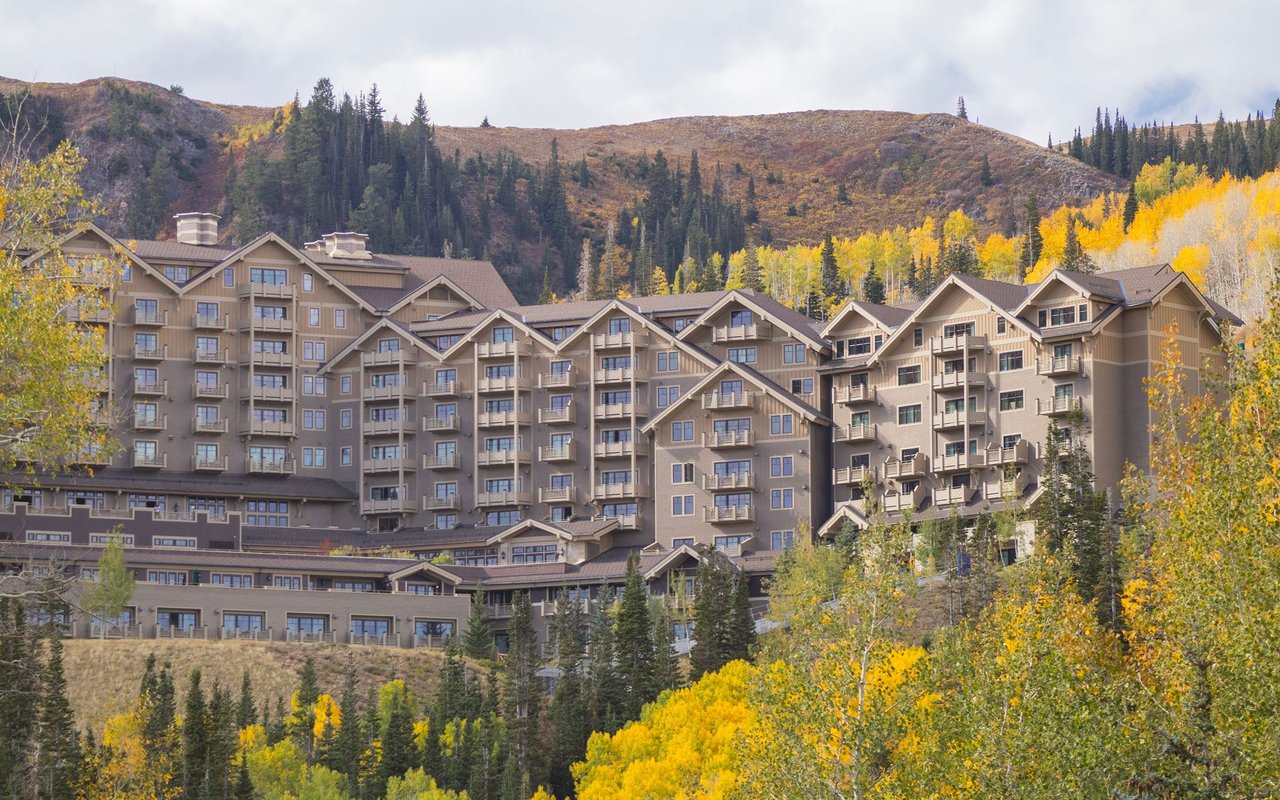
Empire Pass offers the most legitimate ski-in/ski-out inventory, with properties like Montage Residences and Flagstaff that sit directly on skiable terrain. During peak season, these homes rent for $5,000-15,000 per night, and owners who don't rent still save 30-45 minutes daily compared to driving from town. We help clients calculate whether paying the premium makes sense based on their intended use.
Properties in Upper Deer Valley, including St. Regis and Stein Eriksen Residences, provide true slope access to Deer Valley terrain. The infrastructure here was planned around skiing, not retrofitted later. When evaluating these properties, consider that HOA fees often exceed $3,000 monthly but include services that would cost more if purchased separately.
Canyons Village presents interesting middle ground. Red Pine, Juniper, and Silverado neighborhoods offer ski access through private gondolas or short shuttle rides. While not true ski-in/ski-out, the convenience factor remains high. Properties here typically cost 20-25% less than Empire Pass equivalents while still providing mountain access within five minutes.
PCMR's base area underwent massive redevelopment over the past decade, transforming the zone around Marriott Summit Watch and Main Lift into a legitimate village center. Properties within walking distance of this base benefit from year-round foot traffic, restaurants, and summer concert series. The TJ Walsh Group has tracked appreciation rates here averaging 8-12% annually since 2019, outpacing many traditionally premium locations.
The infrastructure improvements include heated walkways, underground parking, and the Orange Bubble Express connecting to Canyons side. If you buy near PCMR base, you're essentially purchasing convenience to Utah's largest ski resort (7,300 acres) plus proximity to Historic Main Street. Our clients who prioritize skiing variety over luxury amenities often land here.
Deer Valley's base areas spread across three distinct zones. Snow Park serves as the main entry point, with lodges concentrated near the Snow Park Lodge. Properties here work well for families who want ski school access and mellower terrain. Silver Lake sits mid-mountain, offering the best restaurant selection and central access to all mountain zones. The planned Snow Park Village expansion (breaking ground 2025) will add significant density here, something to consider for current property values.
Canyons Village maintains its own ecosystem separate from PCMR despite sharing ownership. The village includes a golf course, extensive hiking trails, and the year-round Red Pine Gondola. Properties in Canyons benefit from slightly lower prices than central Park City while maintaining access to the combined PCMR/Canyons terrain. The TJ Walsh Group often recommends this area for buyers seeking value without sacrificing amenities.
Your resort choice effectively picks your tribe for the next decade. Epic Pass holders tend toward families from major metros who ski 5-10 days annually and value variety across multiple resorts. Ikon Pass holders often ski more frequently, prefer smaller crowds, and will pay premiums for experience quality. These patterns affect both rental demand and neighbor demographics in each resort area.
Properties near Epic resorts see more consistent rental demand spread across the entire season. Vail's dynamic pricing pushes budget-conscious visitors toward shoulder seasons, maintaining occupancy from Thanksgiving through Easter. The TJ Walsh Group's rental analysis shows PCMR properties achieving 140-160 booking nights annually versus 100-120 for comparable Deer Valley units that concentrate bookings around peak periods.
Deer Valley's Ikon affiliation attracts different visitor profiles. Aspen, Jackson Hole, and Big Sky skiers choose Deer Valley when visiting Utah. These guests typically spend more per day but book shorter stays. If you're considering a Deer Valley property for rental income, factor in higher per-night rates but fewer total bookings. Our property management partners report average daily rates 40-50% higher at Deer Valley but 25% fewer booking nights.
The multi-resort access question matters less for full-time residents who can buy separate passes. However, if you plan to rent your property, guests increasingly expect their lodging location to match their pass product. Properties that straddle resort boundaries or require different lift tickets create booking friction that impacts occupancy rates.
Elevation drives snow quality, season length, and maintenance costs across Park City's resort neighborhoods. Deer Valley's base sits at 6,570 feet, but Empire Pass properties reach 8,300-9,000 feet. This 2,500-foot differential means Empire Pass receives 100+ additional inches of snow annually and maintains better conditions through March.
The TJ Walsh Group keeps detailed records of seasonal snow patterns by neighborhood. Upper mountain properties in Empire Pass, Bald Eagle, and Upper Deer Valley stay ski-accessible 150+ days compared to 120 days for lower elevation areas. This extended season particularly benefits rental properties, adding 3-4 weeks of peak-rate booking potential.
However, elevation creates trade-offs. Roads to Empire Pass can require chains or 4WD even with professional plowing. Properties above 8,500 feet face 20-30% higher heating costs and need specialized maintenance for altitude-related wear. We counsel buyers to budget an additional $15,000-20,000 annually for properties above 8,000 feet to cover these mountain-specific expenses.
Lower elevation neighborhoods like Prospector, Kimball Junction, and Pinebrook offer different advantages. Snow removal costs drop by 50%, construction and maintenance happen year-round, and you'll avoid altitude-related health adjustments. These areas work particularly well for permanent residents who ski occasionally but value convenient town access.
Park City transforms into a mountain biking and hiking destination from June through October, and each resort zone offers distinct warm-weather amenities. PCMR operates lifts for downhill mountain biking, drawing thousands of riders weekly. Properties near PCMR base maintain strong summer rental demand from biking enthusiasts willing to pay winter-equivalent rates for proximity to trails.
Canyons Village leverages its golf course and concert venue for summer activation. The 18-hole course designed by Gene Bates provides country club amenities without private membership requirements. Properties along the fairways in Tuhaye and Colony see 30% of their annual rental income during golf season. The TJ Walsh Group tracks tee time availability as a leading indicator for summer rental demand.
Deer Valley pivots toward hiking, outdoor concerts, and food events during summer. The resort's mountain biking remains limited to cross-country trails, attracting a different demographic than PCMR's downhill scene. Silver Lake and Empire Pass properties benefit from cooler temperatures (10-15 degrees below valley floor) and wildflower meadows that peak in July. Our clients who prioritize summer use often prefer these higher elevation locations despite winter access challenges.
Saturday morning traffic fundamentally shapes the skiing experience from different neighborhoods. Properties with ski access or walking distance to lifts avoid the 8-10am surge entirely. Everything else requires strategic planning or acceptance of delays. The TJ Walsh Group times routes from each neighborhood during peak periods to provide realistic commute expectations.
Deer Valley's paid parking system ($40-80 daily) pushes day skiers toward carpooling or transit, reducing lot congestion but creating neighborhood overflow issues. Properties in Lower Deer Valley and Silver Springs deal with poachers seeking free street parking. Some HOAs have implemented permit systems and towing contracts in response. We factor these dynamics into property evaluations, especially for homes near resort boundaries.
PCMR and Canyons offer more extensive free parking but fill completely by 9:30am on peak days. The park-and-ride lots with shuttle service work well but add 30-45 minutes to your ski day. Properties in Jeremy Ranch, Pinebrook, and Kimball Junction all face similar time penalties reaching the mountain. Our team helps calculate whether paying premiums for closer properties actually saves money versus time lost commuting.
Vail's paid parking program (launching 2025-26) will reshape these dynamics significantly. Early analysis suggests properties within walking distance of lifts could see 5-10% value bumps as parking becomes a permanent expense for day skiers. The TJ Walsh Group monitors policy changes closely since parking access increasingly drives buyer decisions.
Homeowner associations in ski resort areas provide essential services but at substantial cost. Empire Pass HOAs run $2,000-4,000 monthly, covering everything from ski locker rooms to private shuttle service. Deer Valley associations typically include landscape maintenance, snow removal, and common area upkeep. The TJ Walsh Group reviews HOA financials before every purchase to identify underfunded reserves or pending special assessments.
Canyons Village associations often bundle golf membership, fitness facilities, and shuttle services into fees ranging from $800-2,500 monthly. Some communities like Talisker Club require equity memberships ($50,000-150,000) plus monthly dues. We help buyers understand which amenities they'll actually use versus paying for unnecessary services.
Lower elevation neighborhoods operate more traditional HOAs focused on road maintenance and minimal common areas. Fees in Pinebrook or Silver Springs might run $200-500 monthly, allowing owners to purchase only the services they need. This approach works well for full-time residents who handle their own maintenance but want basic community standards.
Rental income potential varies dramatically based on resort affiliation and access level. The TJ Walsh Group maintains detailed profit-and-loss data from property management companies across all three resort zones. True ski-in/ski-out properties near any resort generate $150,000-500,000 in gross rental revenue, with 35-40% flowing to owners after expenses.
PCMR-proximate properties in Prospector or lower Park Meadows yield 5-7% cap rates when professionally managed. These neighborhoods attract value-conscious families who book longer stays and treat properties carefully. Our investor clients often start here, building equity while learning the vacation rental business before upgrading to premium properties.
Deer Valley properties show lower cap rates (3-5%) but stronger appreciation potential. The limited development potential and ownership restrictions preserve exclusivity. Properties in Silver Lake and St. Regis have appreciated 150-200% over the past decade, outpacing rental returns but providing substantial wealth building for patient investors.
Canyons Village offers middle-ground investment profiles. Cap rates run 4-6% with appreciation tracking slightly below Deer Valley but above PCMR base areas. The variety of property types from condos to estate homes allows portfolio diversification within a single resort zone. We often recommend Canyons for investors wanting exposure to Park City without Deer Valley pricing.
Both Vail Resorts and Deer Valley have announced significant capital improvements through 2030. PCMR plans new lifts connecting peripheral neighborhoods, potentially upgrading ski access for properties currently requiring transportation. The TJ Walsh Group tracks permit applications and construction timelines to identify properties likely to benefit from infrastructure improvements.
Deer Valley's expansion onto 3,700 additional acres will reshape the entire eastern side of Park City. Properties in Jordanelle and Mayflower will transform from rural parcels to ski-accessible neighborhoods. We're counseling clients to evaluate these areas now, before construction begins and prices adjust to reflect new amenities.
The combined One Wasatch concept, linking seven Wasatch resorts via lifts and tunnels, remains politically stalled but technically feasible. If eventually approved, property values across Park City could jump 20-30% overnight. While we don't recommend betting on this outcome, understanding the proposal helps explain why certain connecting zones maintain premium valuations despite current limitations.
Choosing between Park City's ski resorts ultimately depends on how you plan to use the property. Full-time residents who ski 50+ days annually should prioritize convenient access over resort affiliation. Buy wherever you can reach lifts quickly, whether that's walking distance in Empire Pass or a five-minute drive from Jeremy Ranch with guaranteed parking.
Investors focused on rental returns need properties that photograph well, offer genuine amenities, and align with target renter preferences. PCMR and Canyons properties generally produce better cash flow, while Deer Valley holdings build more long-term wealth through appreciation. The TJ Walsh Group runs detailed investment analyses comparing both strategies based on your financial goals.
The lifestyle component matters equally. Deer Valley maintains a certain atmosphere - controlled, refined, exclusive. PCMR embraces accessible skiing for all levels with corresponding energy and crowds. Canyons splits the difference with distinct zones for different preferences. We spend significant time helping buyers experience each resort's culture before committing to a neighborhood.
Ready to explore which resort neighborhood aligns with your mountain property goals? The TJ Walsh Group maintains current listings across all three resort zones plus detailed analysis of rental performance, appreciation trends, and upcoming improvements that could impact values. Reach out for a personalized tour that includes on-mountain experiences at each resort - because understanding the skiing helps you understand the real estate.
Stay up to date on the latest real estate trends.
TownLift reported that Fourth Space Studios is a heated-mat fitness studio founded by Park City

Monthly HOA fees in Park City range from $200 to $4,000+ depending on location and services provided.

Want walkable daily amenities and find the idea of driving for coffee or groceries frustrating.
Cash buyers still dominate, but financing becomes more common in this range compared to higher tiers.
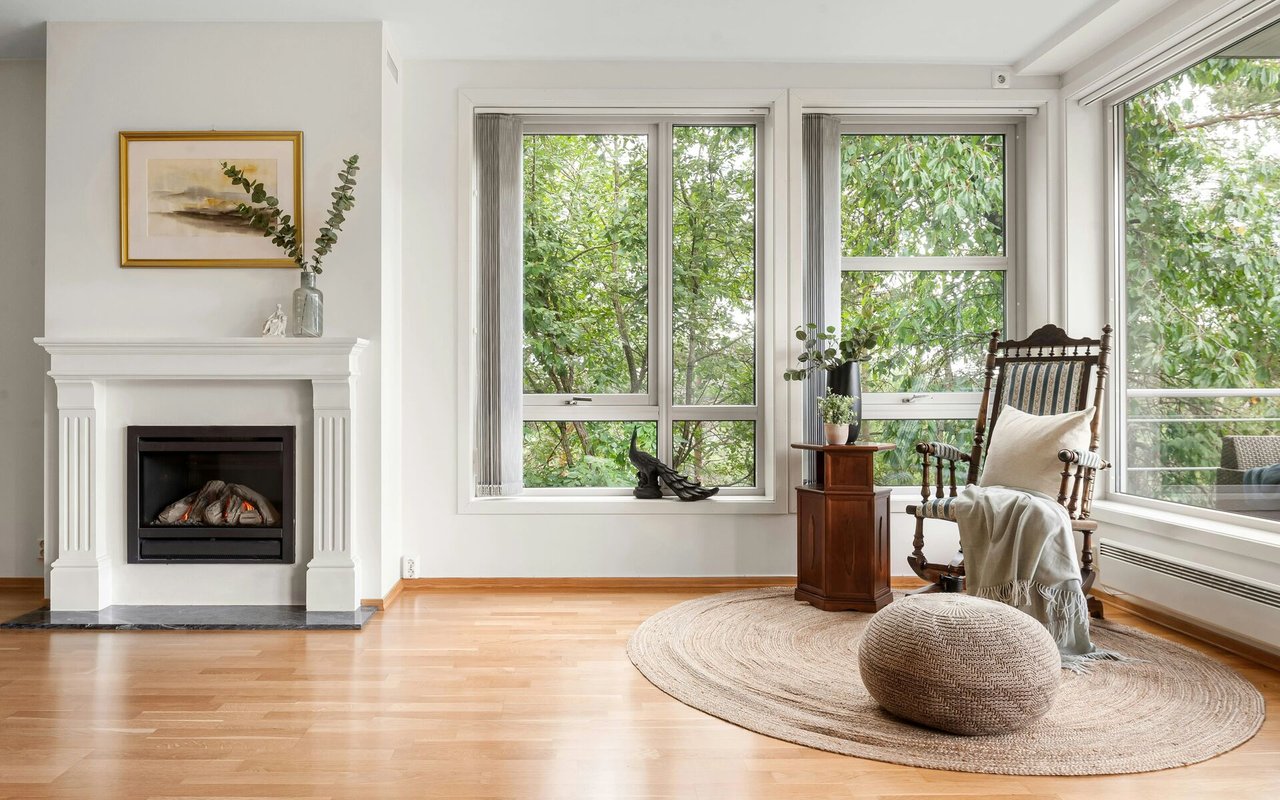
The neighborhoods that work best for families aren't always the ones featured in resort marketing materials.
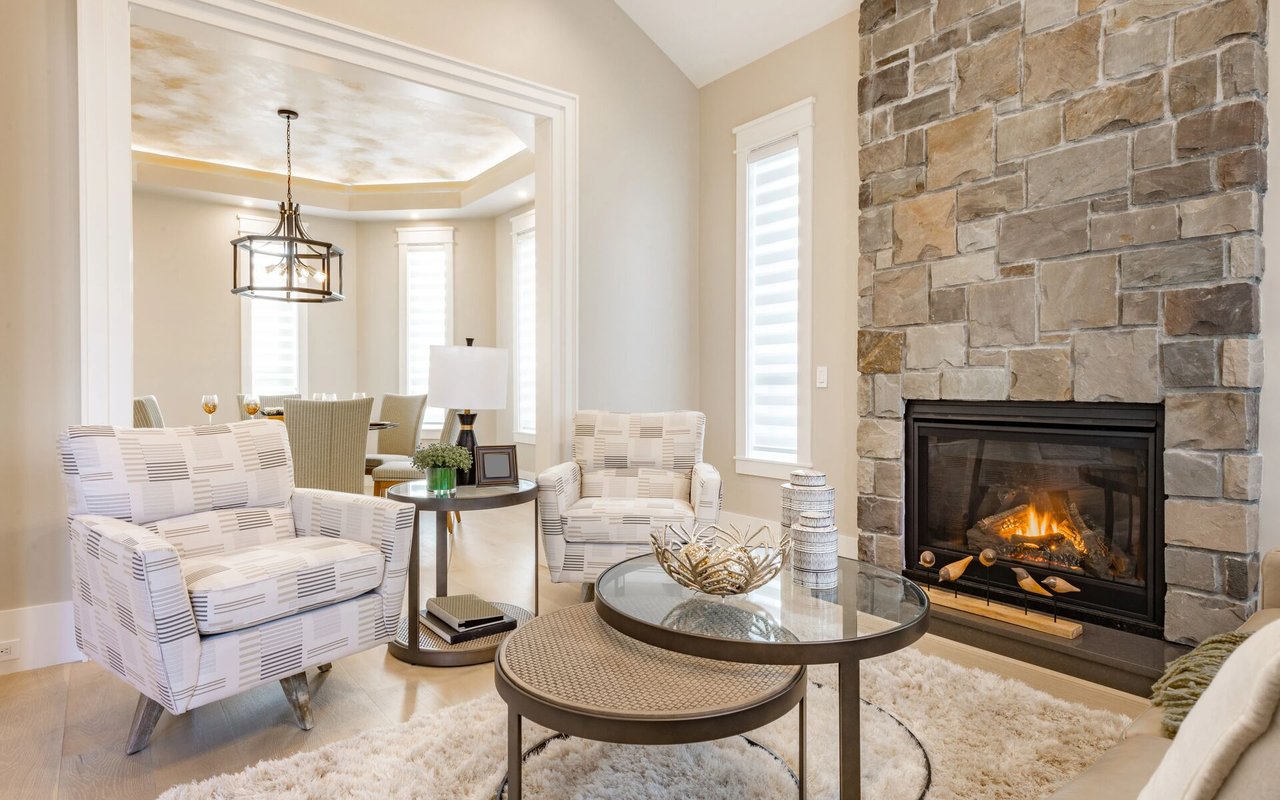
The Deer Valley ski-in/ski-out condo costs $2.8M for 1,800 square feet and $1,500 monthly HOA fees.
Choosing between Park City's ski resorts ultimately depends on how you plan to use the property.
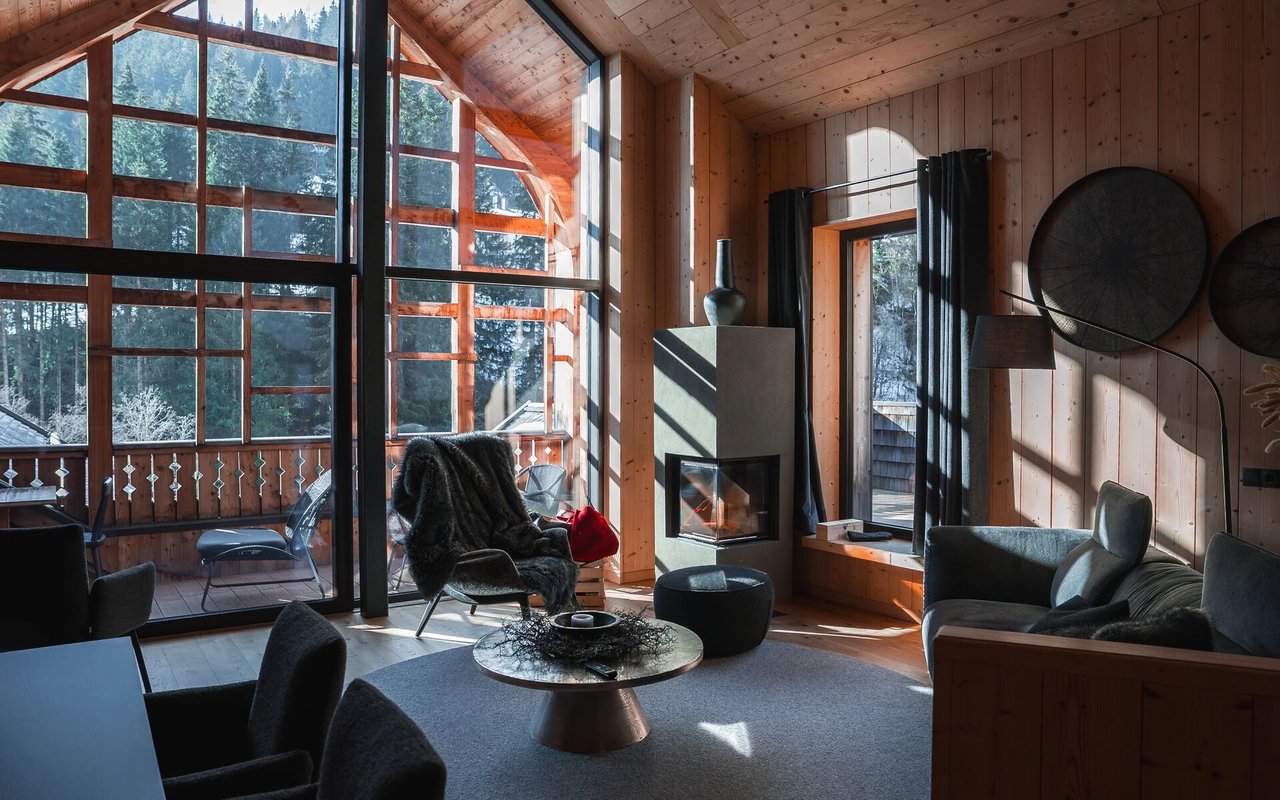
The hidden costs, special assessments, fee escalation, inadequate reserves, and expensive services.
Whether you’re buying, selling, or exploring your options in Park City, TJ Walsh is here to help you move forward with local insight and personalized guidance. Reach out to start a conversation about your real estate goals.
TJ WALSH GROUP
1153 CENTER DR G-200 PARK CITY, UT 84098