Living in Park City Year Round: What Second Home Buyers Don't Know
TJ Walsh Group October 13, 2026
TJ Walsh Group October 13, 2026
Most people shopping for Park City real estate picture powder days and summer festivals. What they don't always consider is what happens between those highlight-reel moments, the realities of calling this mountain town home 365 days a year. If you're thinking about buying here with plans to live full-time, there are patterns worth understanding before you close.
Park City sits between 6,400 and 9,900 feet elevation, about 35 minutes from Salt Lake City International Airport. The town has roughly 8,365 full-time residents, though that number swells during ski season and summer. What surprises newcomers is how the community rhythm shifts with the seasons, not just weather, but the entire character of daily life.
Here's what daily life typically involves:
Much of Park City's infrastructure is calibrated for peak seasons rather than consistent operation.
Spring in Park City, mid-April through late May, is called "mud season" for good reason. Ski resorts close around April 20-21, summer operations don't start until early June, creating a six-week window where Park City transforms completely.
Hotel occupancy drops to 11% compared to 90%+ during Sundance. Main Street becomes walkable without reservations, but that quiet comes with trade-offs. Restaurants close for renovations or reduced hours. The energy that makes Park City feel electric during peaks essentially evaporates.
Trails face closures because wet conditions damage terrain. Mountain Trails Foundation discourages use when mud is present, hiking, running, or biking, because soil displacement creates erosion. Round Valley and Glenwild typically dry first, but conditions vary wildly.
Shoulder season challenges:
Fall brings similar patterns from late October through Thanksgiving, though typically shorter. Some businesses take breaks before ski season, and the town quiets before winter returns.
Mud season offers authenticity. You see who actually lives here. Locals enjoy Main Street restaurants without waits, discounted lodging for visiting friends, and time to catch up on projects. If you value quiet over constant activity, shoulder seasons might become your favorite time.
Where you buy dramatically affects year-round experience. Some neighborhoods are 90% second homes where neighbors rotate weekly. Others have established populations with kids walking to school and actual community feel.
Locals cluster in Park Meadows, Prospector, Pinebrook, Jeremy Ranch, and Silver Springs, areas prioritizing schools, parks, and shopping over ski access. Park Meadows sits near schools, the country club, and offers easy access to Old Town. Prospector provides walkability to schools, the Rail Trail, and local businesses.
Pinebrook and Jeremy Ranch appeal to Salt Lake commuters wanting mountain living with reasonable I-80 access. Silver Springs sits on Highway 224 between Old Town and Kimball Junction, close to amenities but removed from peak traffic.
For families, Trailside, Sun Peak, and Bear Hollow attract year-round residents near Trailside Elementary and community amenities like Sun Peak Clubhouse.
Upper Deer Valley, Empire Pass, and The Colony have higher concentrations of second homes. These deliver ski access and luxury amenities but thinner year-round populations. Neighbors appear for holidays then vanish until Presidents' Day.
Old Town offers middle ground, tourists and short-term rentals mixed with full-time residents who value walkability and Main Street energy. Living here means accepting dramatic seasonal shifts, but some prefer that over quieter area isolation.
Living at altitude brings ongoing realities vacation owners don't experience. These aren't dealbreakers, but they compound over time.
Winter maintenance is constant. Snow removal runs November through April. Driveways in steep areas need regular plowing. Roofs require snow load management. Ice dams cause damage if ignored. HOAs handle this in some neighborhoods; elsewhere it's your responsibility.
Heating costs run higher at elevation, especially during cold snaps. Homes from the 1970s-80s may lack modern insulation, driving up utility bills. Vehicle considerations shift too, AWD or 4WD becomes essential, not optional. Snow tires matter for winter commuting. Remote starters are practically necessary in single-digit temperatures.
Higher neighborhoods or steeper grades face more challenging winter access. Upper Deer Valley can experience delayed plowing, with some roads temporarily impassable during heavy storms.
Additional considerations:
Year-round living means developing systems. You learn which routes get plowed first, which trails dry earliest, and which local spots offer best value during shoulder seasons.
The tradeoff for shoulder season quiet and winter logistics is access to Park City at its best, when locals reclaim the town.
Mud season offers Main Street without crowds. You walk into top restaurants on Friday nights without reservations. Parking is abundant. The Egyptian Theatre runs shows without sold-out crowds. If you work remotely, this becomes prime time to enjoy cultural amenities that get overwhelmed during peaks.
Fall brings aspen groves turning gold, perfect hiking temps, and events like the Park City Wine Festival in October. Park Silly Sunday Market runs through late September with local vendors and live music. Jordanelle and Echo Reservoirs stay accessible for paddleboarding and fishing until weather turns.
Winter means mid-week skiing when lift lines are manageable. You catch powder days without coordinating travel. You access backcountry terrain from your neighborhood. When storms hit, you're already here, not stuck at airports.
Summer provides full access to 400+ miles of trails by June. Both resorts operate summer lifts, zip lines, and alpine slides. Deer Valley Music Festival runs July-August with outdoor concerts. Canyons Village hosts national touring artists. The Kimball Arts Festival draws 200+ artists in early August.
Year-round residents also develop community relationships second home buyers rarely access. You recognize faces at stores, build friendships with consistent neighbors, and participate in local events outside tourist season. Youth sports, community theater, and volunteer opportunities create social fabric that makes Park City feel like home rather than a resort.
Not everyone who buys in Park City intends to live here full-time, and that's fine. But if you're considering making this your primary residence, honestly assess whether reality matches expectations.
Visit Park City during mud season before buying. See what the town feels like when resorts are closed. Walk Main Street on a Tuesday in April. Drive neighborhoods when roads are wet and trails closed. Talk to year-round residents about what they wish they'd known.
The TJ Walsh Group works with buyers across the spectrum, those purchasing vacation homes and those relocating permanently. Both paths work well, but require different properties and expectations. Understanding your category helps narrow the search.
If year-round Park City living aligns with your goals, these strategies help smooth the transition.
Rent before buying if possible. Six months or a year gives firsthand shoulder season experience without purchase commitment. You'll learn which areas match daily routines and which amenities you actually use.
Research HOAs thoroughly. Monthly fees range from hundreds to thousands. Understand what's covered and whether services justify costs. Read covenants carefully, some restrict short-term rentals, exterior mods, or decorations.
Plan for winter readiness. Budget for AWD/4WD, snow tires, and winter driving confidence. Stock emergency supplies, know how to prevent frozen pipes, and identify snow removal contacts.
Build local connections early. Join neighborhood groups, attend shoulder season events, introduce yourself to year-round residents. Connected residents feel less isolated during quieter months.
Accept first-year adjustments. You'll learn preferred stores, suitable trails, and how to balance tourist energy with shoulder season quiet through experience.
Stay up to date on the latest real estate trends.
TownLift reported that Fourth Space Studios is a heated-mat fitness studio founded by Park City
Monthly HOA fees in Park City range from $200 to $4,000+ depending on location and services provided.

Want walkable daily amenities and find the idea of driving for coffee or groceries frustrating.
Cash buyers still dominate, but financing becomes more common in this range compared to higher tiers.
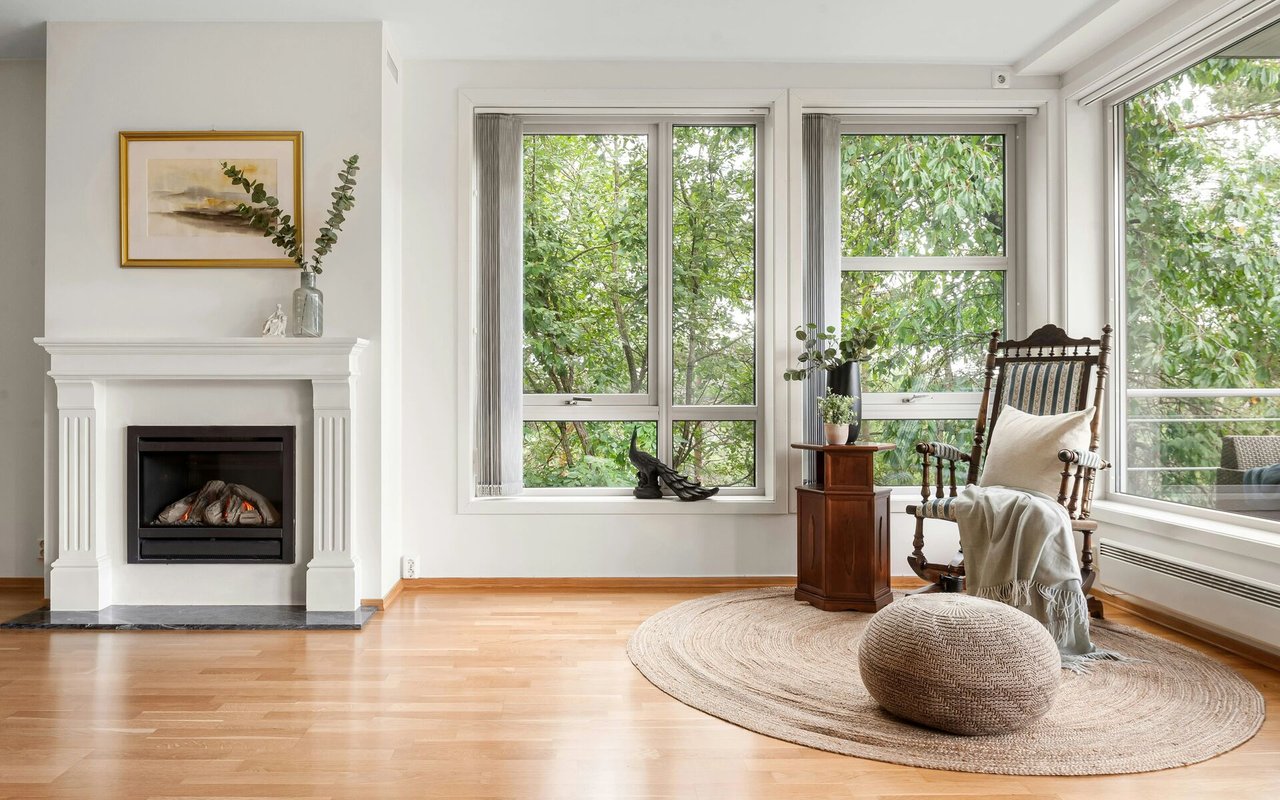
The neighborhoods that work best for families aren't always the ones featured in resort marketing materials.
The Deer Valley ski-in/ski-out condo costs $2.8M for 1,800 square feet and $1,500 monthly HOA fees.
Choosing between Park City's ski resorts ultimately depends on how you plan to use the property.
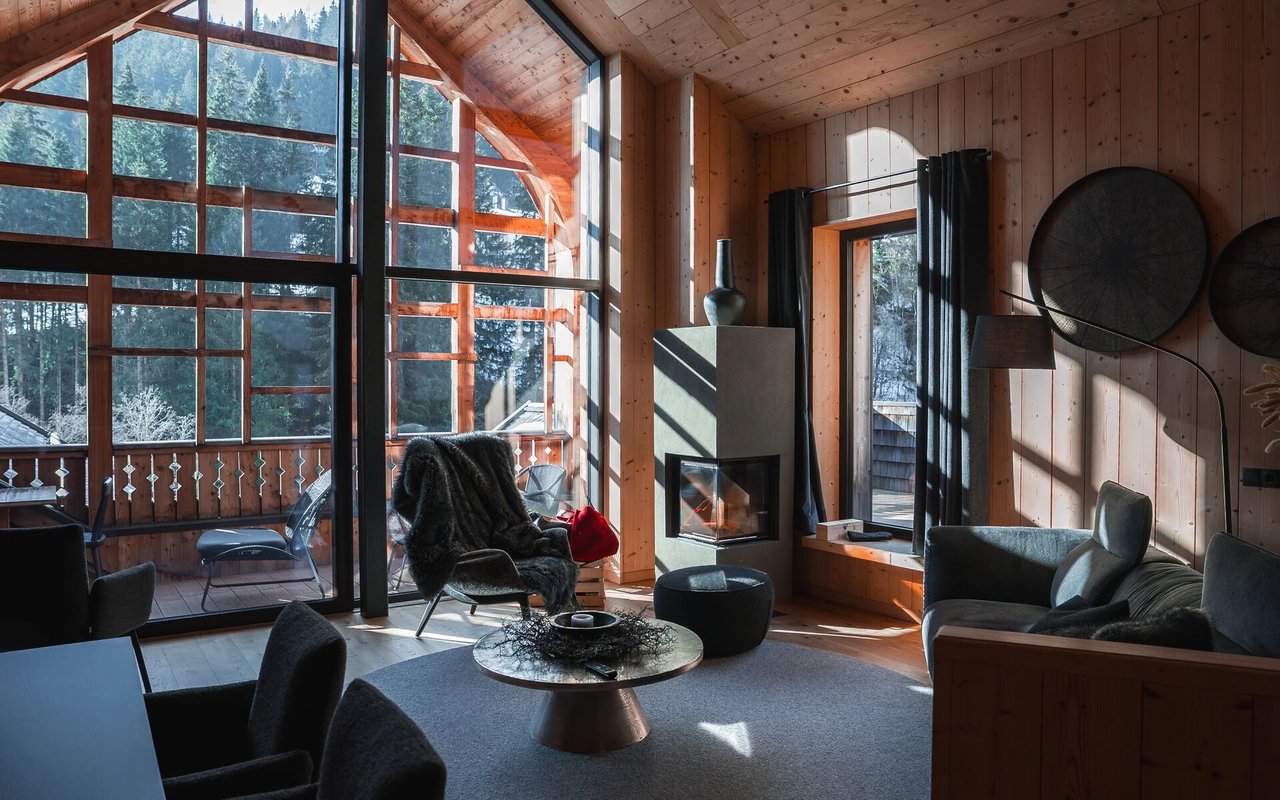
The hidden costs, special assessments, fee escalation, inadequate reserves, and expensive services.
Whether you’re buying, selling, or exploring your options in Park City, TJ Walsh is here to help you move forward with local insight and personalized guidance. Reach out to start a conversation about your real estate goals.
TJ WALSH GROUP
1153 CENTER DR G-200 PARK CITY, UT 84098