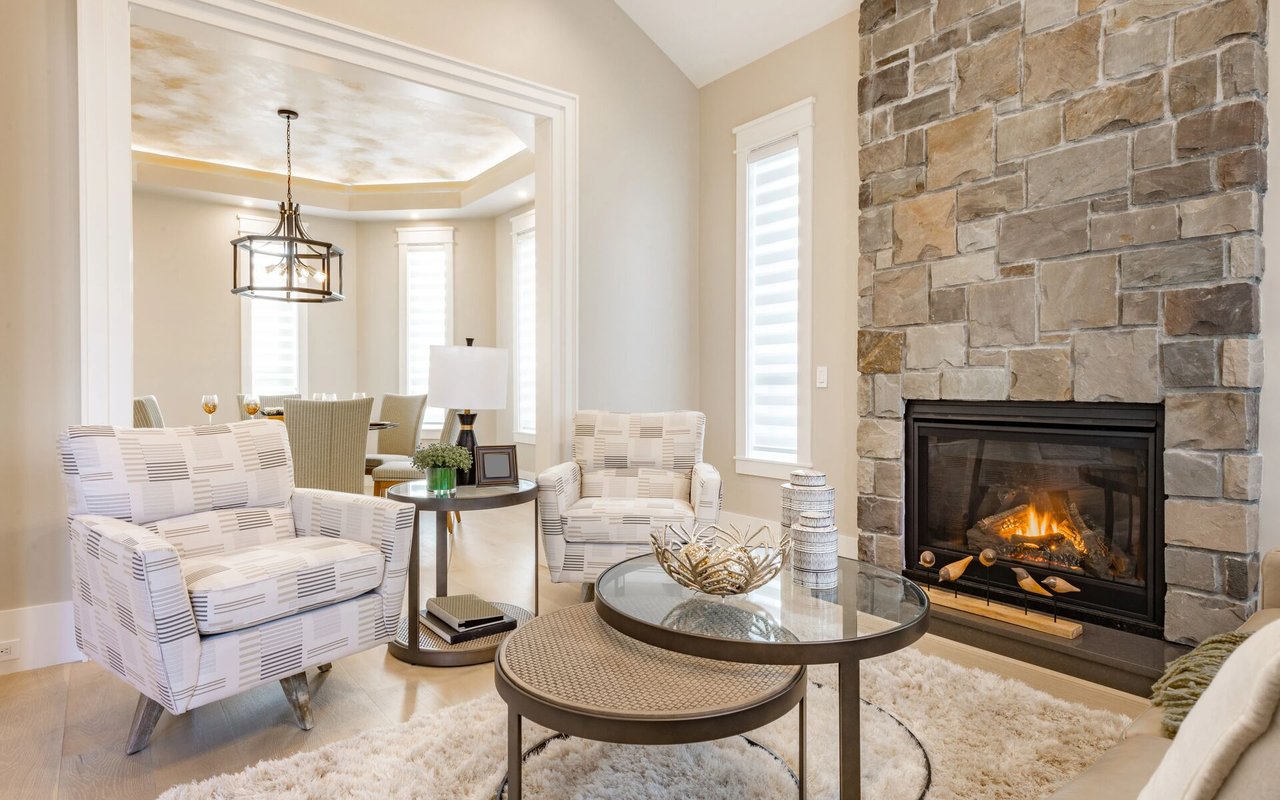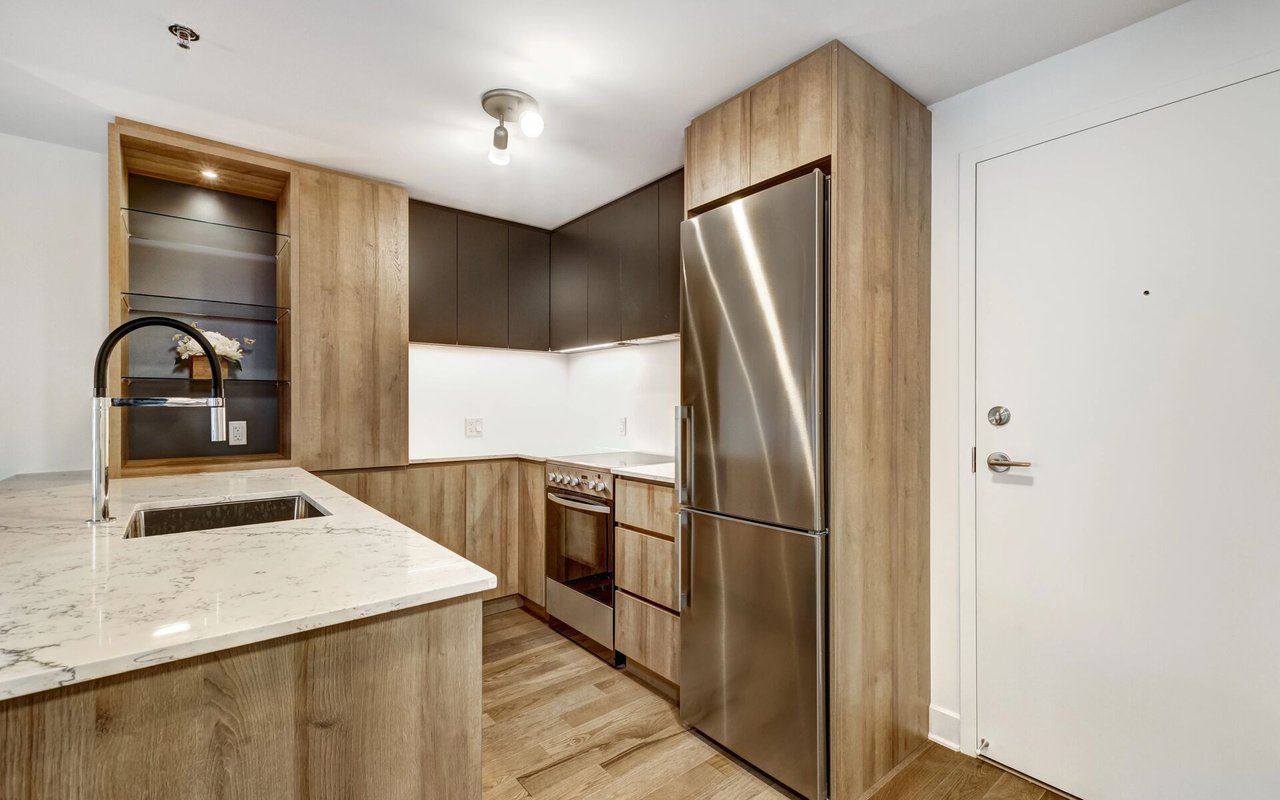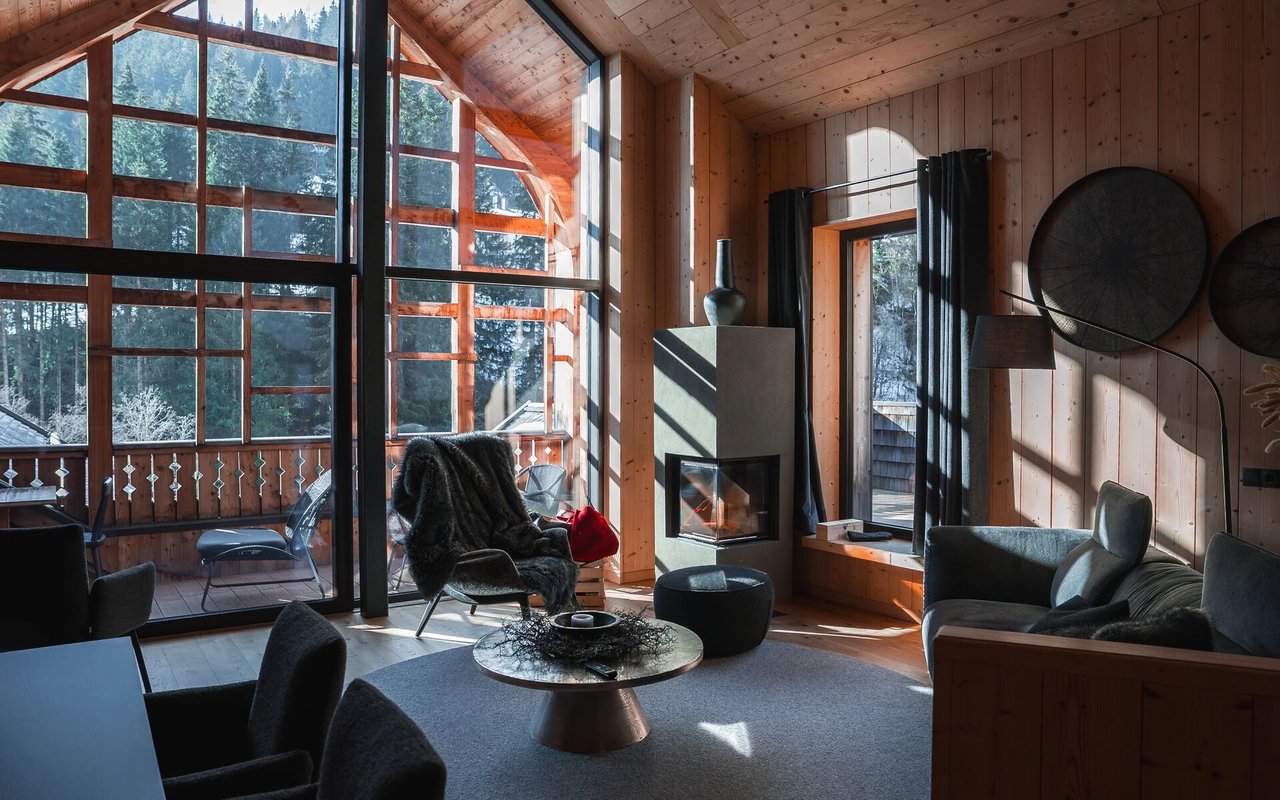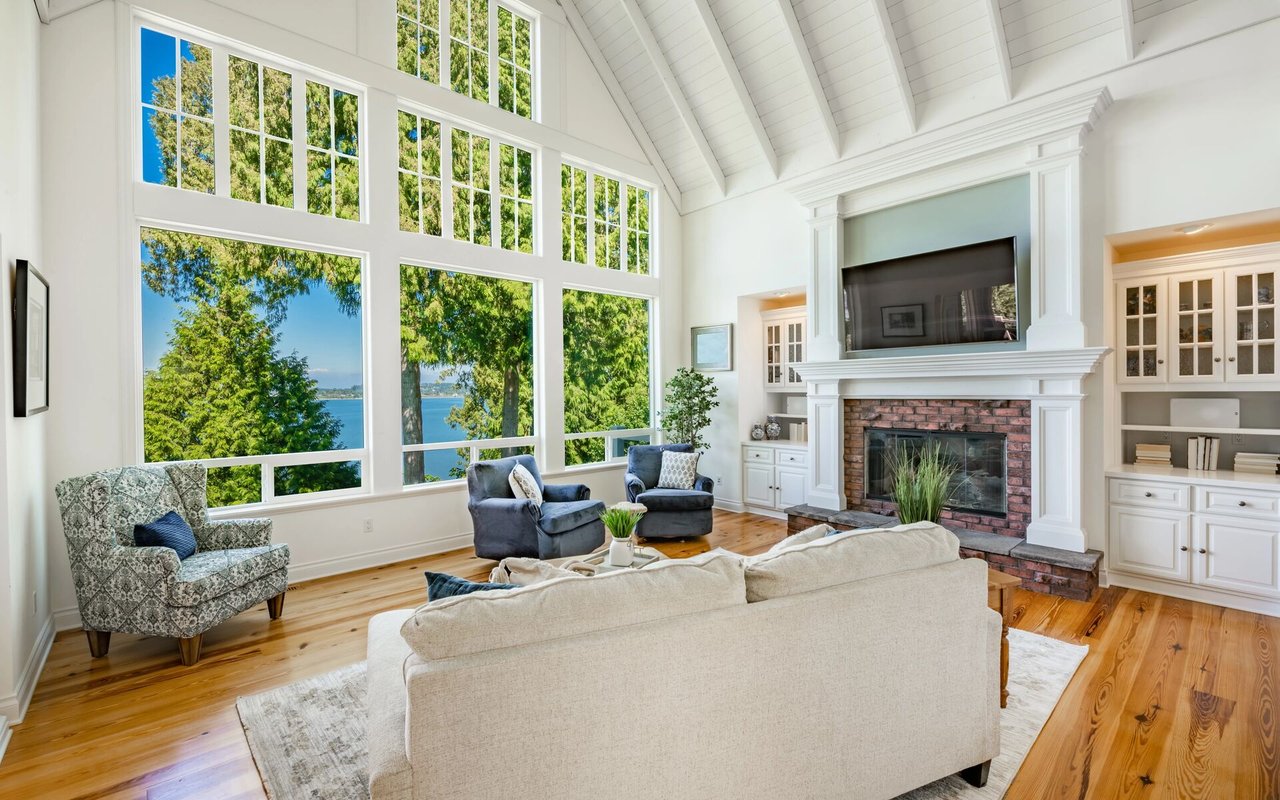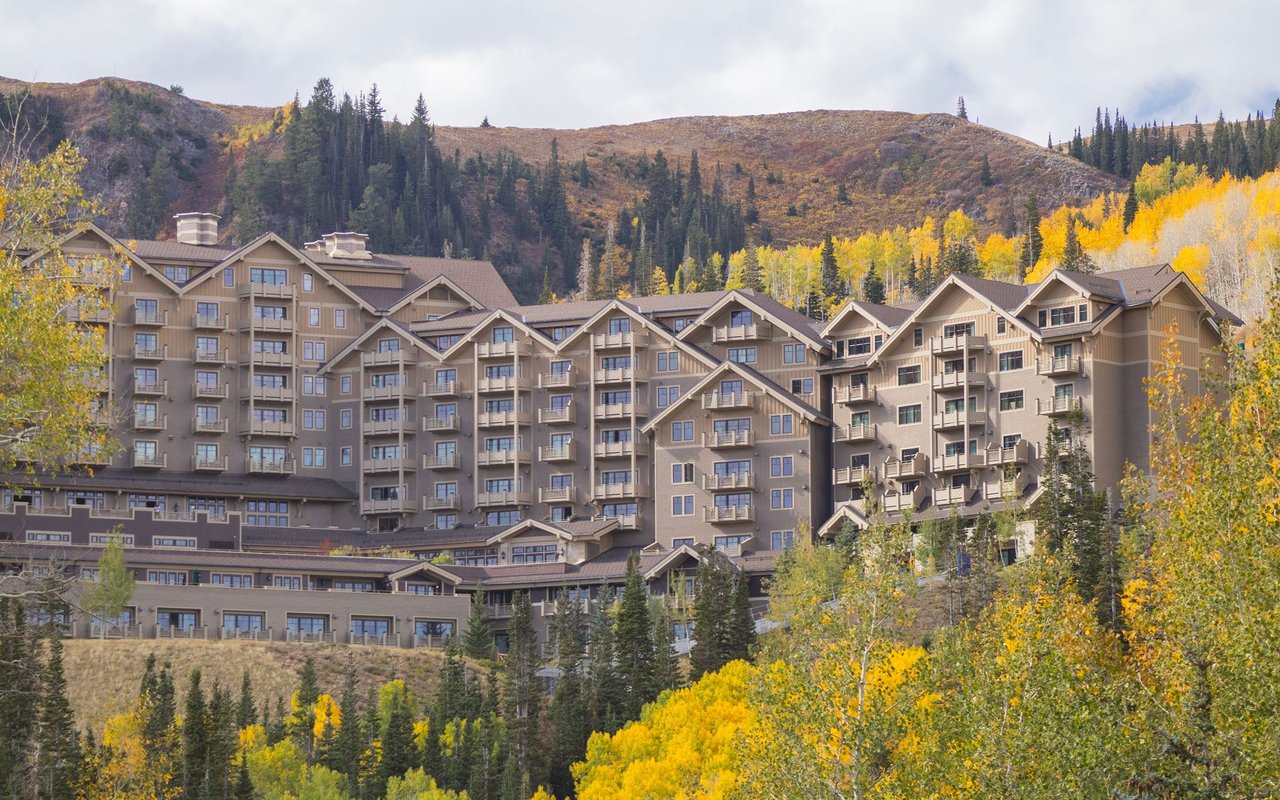
The Grand Hyatt at Deer Valley East Village just delivered 53 condos in December 2024 alone. Meanwhile, resale properties in Old Town and Empire Pass change hands daily. Both options attract buyers, but the financial math works differently than most people expect.
Understanding the real costs, benefits, and risks of new construction versus resale prevents expensive mistakes and aligns your purchase with actual goals rather than assumptions.
The Current New Construction Landscape
Park City's new construction market concentrates in three main areas: Deer Valley East Village (formerly Mayflower), Canyons Village, and scattered luxury developments throughout established neighborhoods.
Deer Valley East Village represents the largest expansion in decades. The Grand Hyatt Mayflower closed 132 units in 2024, with more projects following. This new base area provides ski access to expanded Deer Valley terrain, attracting buyers who want modern amenities with future appreciation potential as infrastructure develops. Prices range from $1.2M for hotel-style condos to $4M+ for larger residences.
Canyons Village continues developing with projects like Apex Residences, Lift, Juniper Landing, and Viridian. These developments offer ski-in/ski-out access to North America's largest ski resort at lower price points than Deer Valley, typically $800K-$2.5M for condos and townhomes. Modern finishes, walkable village amenities, and rental income potential drive demand.
Luxury single-family developments include Founders Place Deer Valley (one of the last slope-side developments), Sommet Blanc in Empire Pass, White Pine Canyon Village, and Kings Crown at Park City Mountain. These projects target buyers seeking contemporary design with ski access, ranging from $2M townhomes to $8M+ single-family homes.
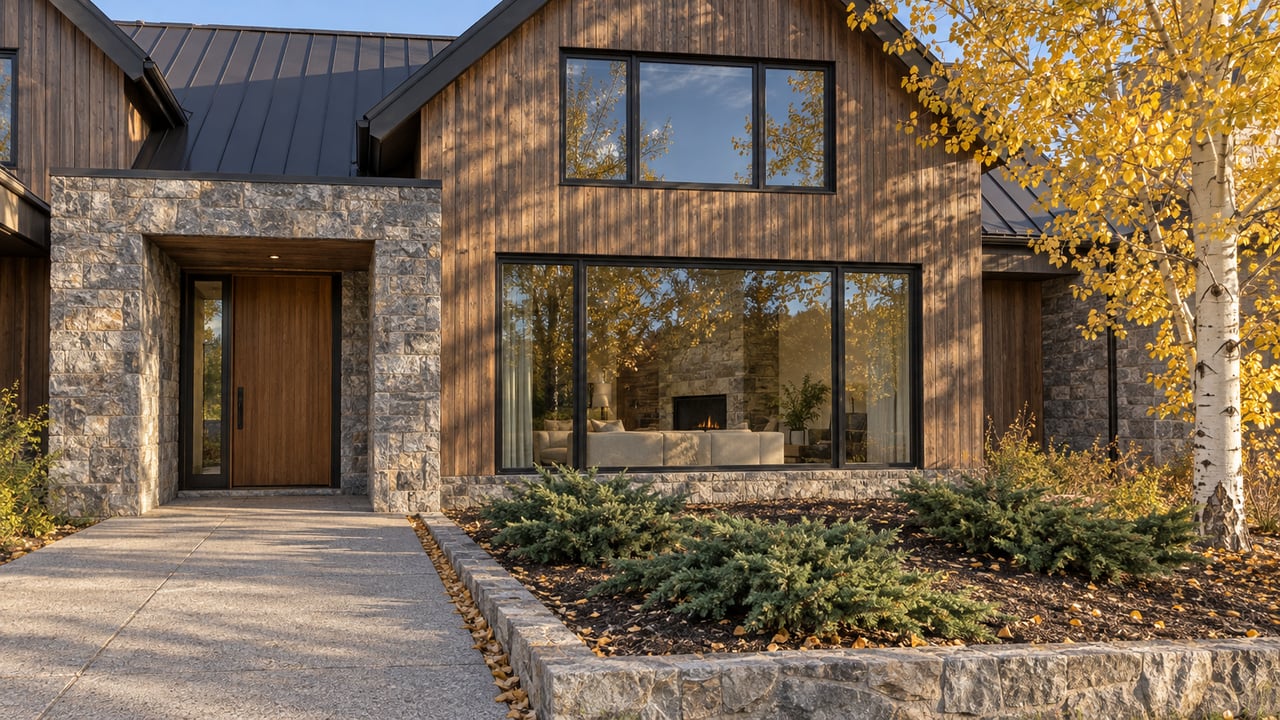
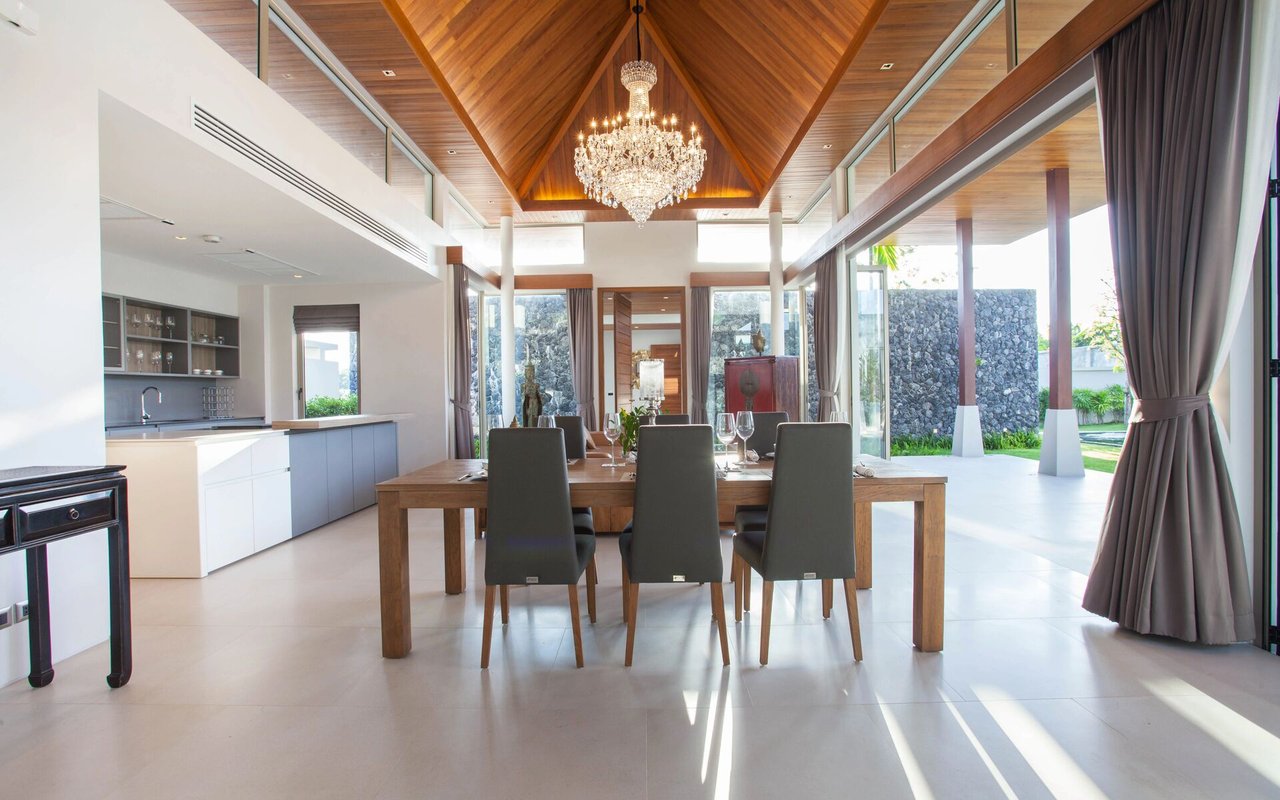
New construction in Park City trends contemporary rather than traditional mountain rustic. Open floor plans, floor-to-ceiling windows, smart home technology, and energy-efficient systems define current builds. HOAs at new developments typically include extensive amenities, pools, fitness centers, concierge services, ski valets, and property management infrastructure.
The challenge with new construction? Limited inventory that sells quickly, often before public listing. Developers work with preferred agents who get first access. Properties hitting the MLS have usually been available to insiders for weeks or months.
What New Construction Actually Costs
Sticker prices tell only part of the story. New construction carries costs resale properties don't, while avoiding expenses common to older homes.
- Premium Pricing Over Comparable Resale: New construction in Park City typically commands 15-25% premiums over similar resale properties in the same area. A 2,500 sq ft new condo at Canyons Village lists at $1.5M while a comparable 2015 resale condo trades at $1.2M-$1.3M. Buyers pay for modern systems, builder warranties, unused condition, and the psychological appeal of "brand new."
- Higher HOA Fees in New Developments: New construction HOAs start higher than established neighborhoods because they fund reserves from day one, cover extensive amenities, and include property management infrastructure. A new Deer Valley condo runs $1,500-$2,000 monthly in HOA fees versus $1,000-$1,400 for a 10-year-old comparable property. The difference compounds, $500 monthly equals $6,000 annually, $60,000 over ten years.
- Special Assessments Less Likely but Still Possible: New construction has fully funded reserves and covered warranties for major systems, reducing special assessment risk for 5-10 years. However, unforeseen issues (building envelope failures, parking structure repairs) can trigger assessments even in new buildings. Resale properties in buildings 10+ years old face higher special assessment risk as major systems reach replacement age.
- Limited Negotiation Leverage: Builders price at market and rarely negotiate during strong demand. They might offer incentives (upgraded finishes, prepaid HOA fees, furniture packages) but rarely reduce purchase price. Resale sellers negotiate more, typically 2-5% off asking price, sometimes more for properties sitting on market.
- Financing Complexity in Pre-Construction: Buying before completion requires construction loans converting to permanent mortgages at closing. Lenders scrutinize developer financial stability, project completion risk, and pre-sale percentages. Interest rates lock at closing, not contract signing, if rates spike during construction, your costs increase. Resale transactions use standard mortgages with clearer terms and faster closings.
- Furnishing and Customization Costs: New construction delivers empty shells. Furnishing a 2,500 sq ft luxury condo costs $75,000-$150,000+ for quality pieces matching Park City aesthetics. Window treatments alone run $10,000-$25,000. Some developments offer furniture packages ($50,000-$100,000) but they're rarely customized to personal taste. Resale properties sometimes include furniture, window treatments, and accessories, particularly in vacation homes where sellers leave everything.
- Initial Property Tax Assessments: New construction gets assessed at purchase price, establishing the baseline for future taxes. If you pay $2M for new construction and the market softens, you're locked into higher assessments until values recover. Resale properties bought below assessed value can be appealed downward, reducing annual taxes.
What New Construction Provides
The premium pricing comes with tangible benefits that resale properties can't match.
- Builder Warranties Covering Major Systems: Utah law requires one-year warranties covering heating, cooling, electrical, plumbing, sprinkler systems, fixtures, and structural elements. Many builders extend coverage to 2-10 years for structural defects. If the HVAC fails in year one, the builder fixes it. If it fails in year two on a resale property, you pay $8,000-$15,000 for replacement.
- Schedule an 11-month warranty inspection ($400-$600) before coverage expires. Professional inspectors find issues you'd miss, roof defects, plumbing problems, HVAC connection errors. Document everything for warranty claims before time runs out.
- Modern Energy Efficiency Reducing Utility Costs: New construction meets current building codes with superior insulation, high-efficiency HVAC systems, LED lighting, and smart thermostats. A new 3,000 sq ft home in Canyons Village costs $600-$800 monthly to heat in winter versus $900-$1,200 for a comparable 2005 resale home with standard insulation. The difference ($300-$400 monthly) equals $3,600-$4,800 annually, meaningful savings over decades of ownership.
- No Deferred Maintenance Surprises: Resale properties hide problems until after purchase. That 15-year-old roof looks fine but needs replacement in three years ($20,000-$40,000). The HVAC works but operates at 60% efficiency and will fail soon. Water heaters, appliances, deck staining, exterior paint, everything has a lifespan. New construction starts the clock at zero with no immediate capital expenses beyond routine maintenance.
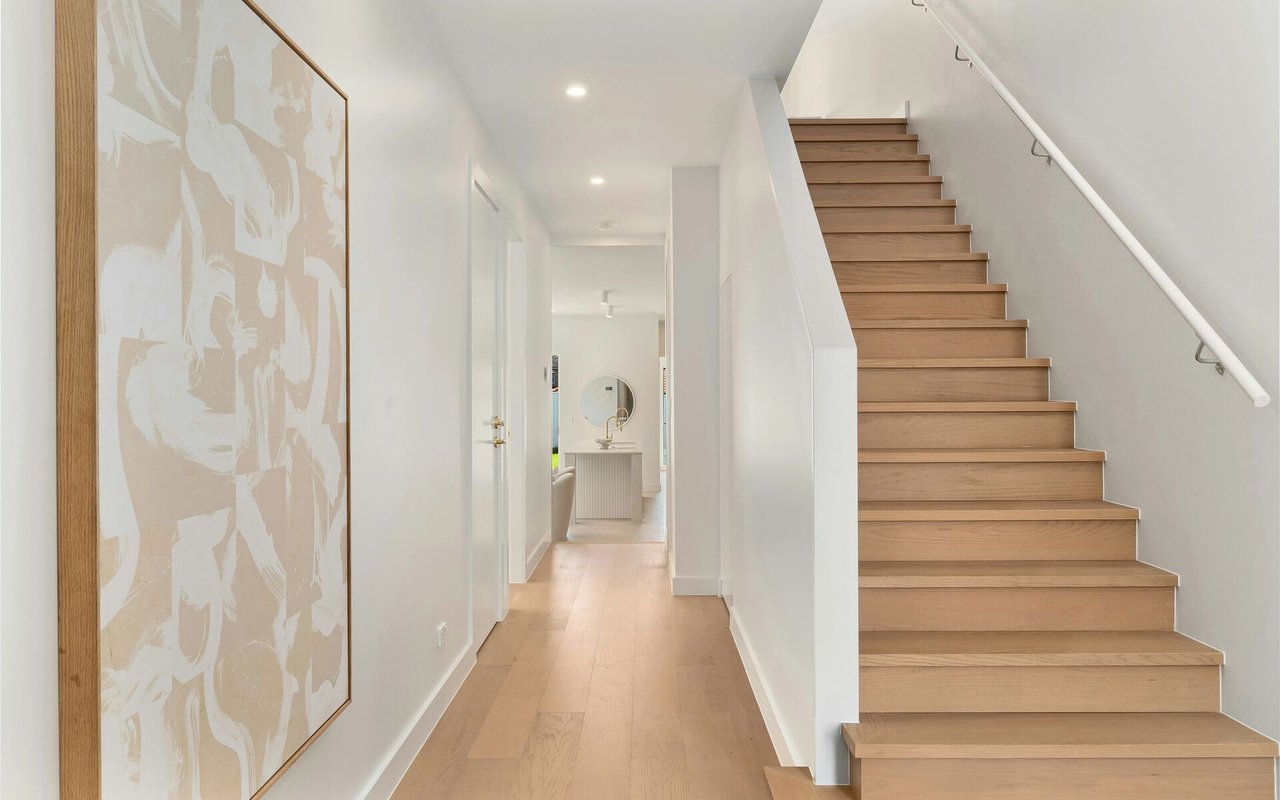
- Contemporary Layouts and Finishes: Open floor plans, 9-10 foot ceilings, spa-like primary bathrooms, chef's kitchens with premium appliances, home offices, mudrooms, and storage designed for modern living. Resale homes from the 1980s-2000s have choppy layouts, 8-foot ceilings, small bathrooms, minimal storage, and kitchens requiring $100,000+ remodels to feel current.
- Smart Home Integration: Pre-wired for automation, fiber internet, security systems, and whole-home audio. Thermostats, lighting, and door locks controlled via phone. Retrofitting older homes costs $15,000-$40,000 and never works as seamlessly as purpose-built systems.
- Immediate Rental Income Eligibility: Many new developments allow short-term rentals from day one (subject to HOA rules and zoning). Resale properties in older buildings may have rental caps, wait lists, or restrictions added by HOA amendments. If rental income factors into your ownership model, new construction provides clearer parameters.